

The ring of steel…
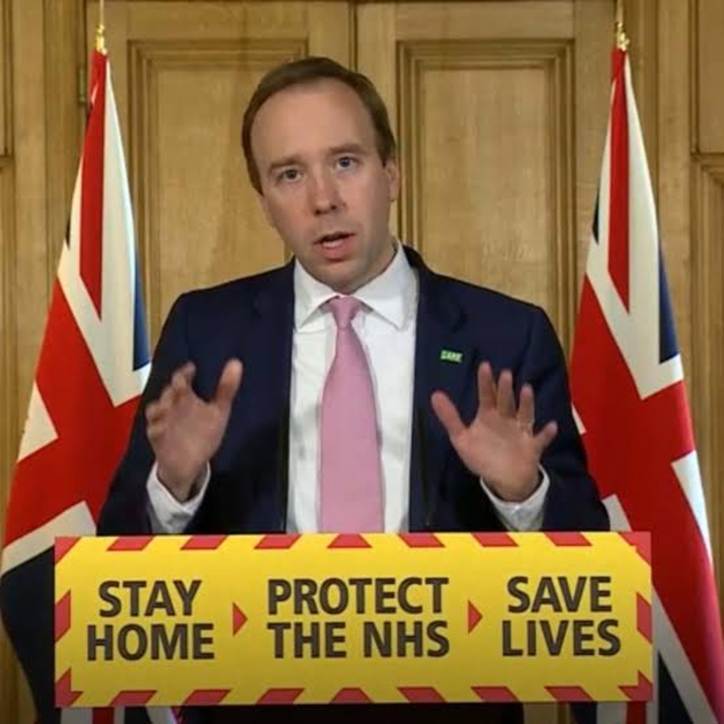
The publication this week of the UK Covid-19 Inquiry’s report into the Care Sector was unequivocal in its rejection of the then Health Secretary’s claim that a “protective ring” had been thrown around care homes “right from the start” of the pandemic. As the Inquiry states, Covid-19 was the second leading cause of death in care homes across the UK in 2020 and it’s a desperately sad statistic that over 43,000 elderly people died in care homes with Covid between March 2020 and July 2022. In particular, patients were discharged from hospital to care homes without Covid testing, allowing the disease to spread more rapidly.
Perhaps no surprise to those who know the care sector well. It has, after all, long been the poor relation of the NHS: the sector is fragmented and underfunded, lacks consistent political backing and its staff tend to be under-recognised, paid relatively badly and have limited opportunities for career progression. We should also not forget that at least 1.5 million care workers provided care during the pandemic, many of whom put their lives at risk just to do their jobs.
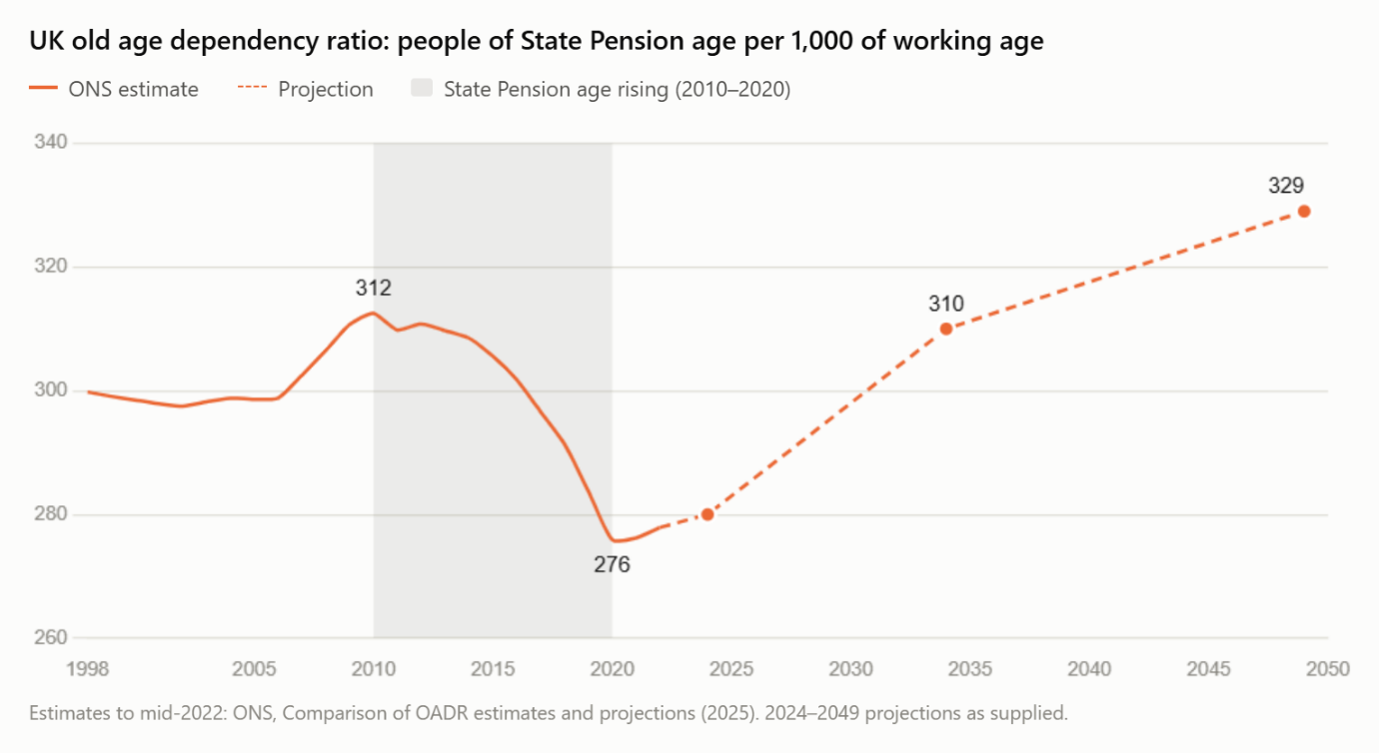
People also don’t immediately think of social care as a national priority. The Ipsos Issues Index asks every month what the most important issue facing Britain today is. In its latest iteration in August 2026 only 1% of respondents named an ageing population or social care for the elderly as an issue – a consistent level across their survey and an issue that never appears in the top ten. There are many reasons for this but since 1997 there have been at least 25 major reviews, commissions and reports, with reform repeatedly promised and then shelved. Latterly politicians such as Theresa May with her so-called “dementia tax” have seen that the issue can lose votes and as the public doesn’t push for it, there is little pressure to resolve it. Consequently, we rarely hear it debated seriously.
One of Andy Burnham’s first speeches as Prime Minister proposed accelerated reforms for our care sector and the creation of a National Care Service on an equal footing with the NHS. His proposed reforms (we’ll have to wait for next year’s Casey Commission to get a better idea of what they might entail) will need to shift a cultural mindset across the country and to move away from the sense that elderly care is something that happens to other people. There’s going to have to be a big battle to engage the public, especially if it’s going to cost us all more through an increase in taxation. Whether we agree with his vision of an integrated NCS, free at the point of use, or not, it’s hard to fault the ambition.
At least our politicians are putting this sector at the top of their agenda now - too late of course for the thousands who died thanks to deficient planning before and poor decision-making during the pandemic. Let’s hope at the very least that we’ll learn from the Inquiry’s recommendation, prioritise the sector and help prevent this happening again.